Madre de Dios, Peru
Tambopata, Peru: a field guide to the rainforest
Understand the place, its extraordinary wildlife, the seasons, and how to plan a respectful visit to one of southeastern Peru's most important protected rainforest landscapes.
At a glance
Tambopata quick facts
Figures below come from Peru's National Service of Natural Areas Protected by the State (SERNANP). Species inventories can change as research is updated.
- Protected area
- 274,690 hectares
- Established
- September 4, 2000
- Recorded birdlife
- About 600 species
- Climate
- Warm and humid
Tambopata National Reserve
By Supreme Decree 048-2000-AG
Official visitor inventory
Around 26°C annual average
Place and meaning
What is Tambopata?
Tambopata is part of Peru's Madre de Dios region, where Andean waters flow into the lowland Amazon basin. The word appears on maps in several ways: Tambopata Province, Tambopata District, the Tambopata River, and Tambopata National Reserve. They are related, but they are not interchangeable.
The national reserve is a protected area covering 274,690 hectares in the districts of Tambopata and Inambari. Peru established it in 2000 to conserve its plants, wildlife, and ecological processes while supporting compatible, sustainable use around the landscape.
For trip planning, ask exactly which river, lodge, community, trail, or reserve sector you will visit. Distances and transfer times can differ substantially even when every itinerary is described simply as “Tambopata.”
Official reference: SERNANP reserve profile
Biodiversity
Wildlife in Tambopata
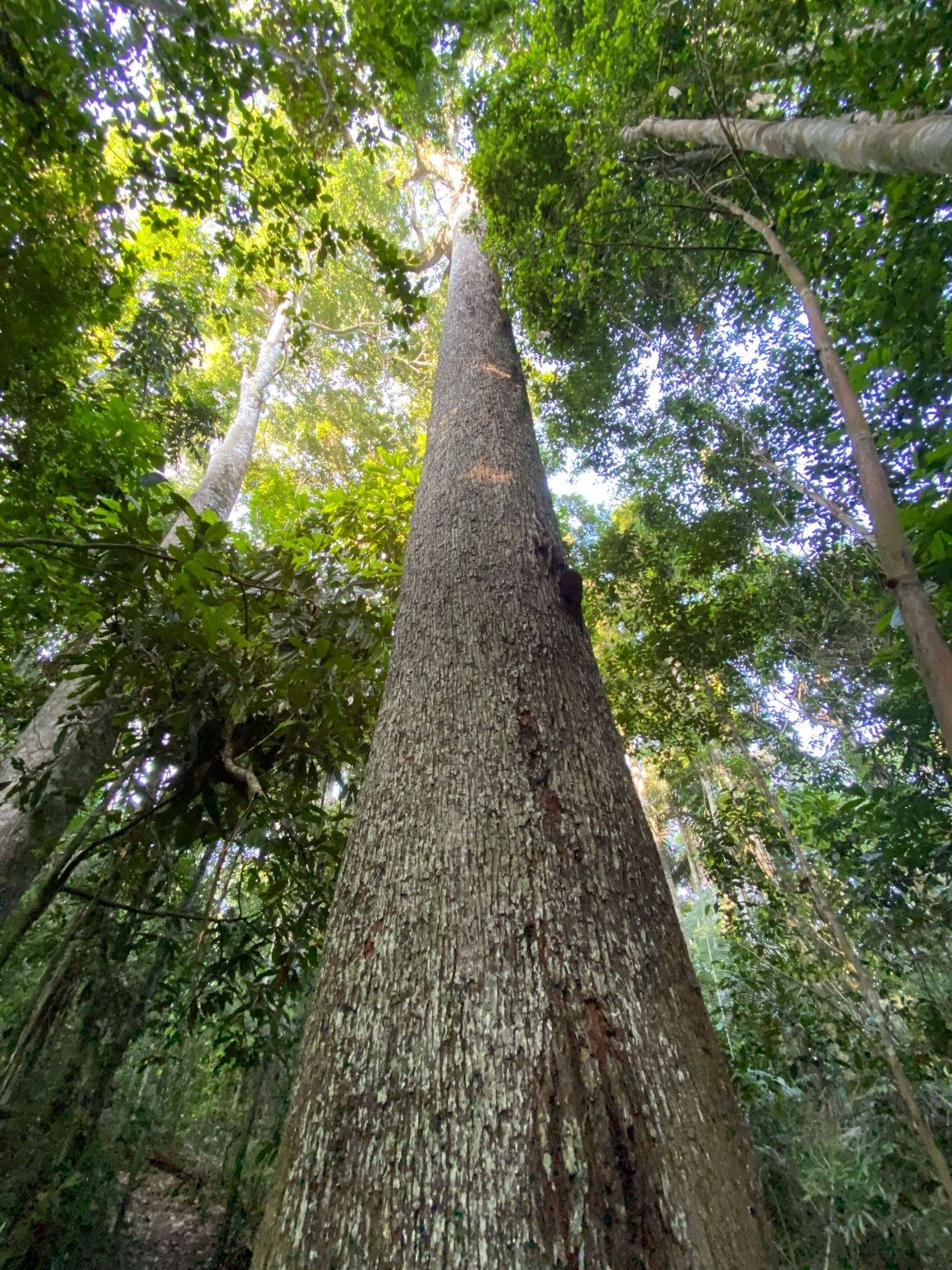
SERNANP's visitor information lists roughly 600 bird species, 169 mammals, 103 reptiles, 103 amphibians, 205 fish species, and 112 diurnal butterfly species in the reserve. These totals explain Tambopata's importance, but they do not promise any particular sighting.

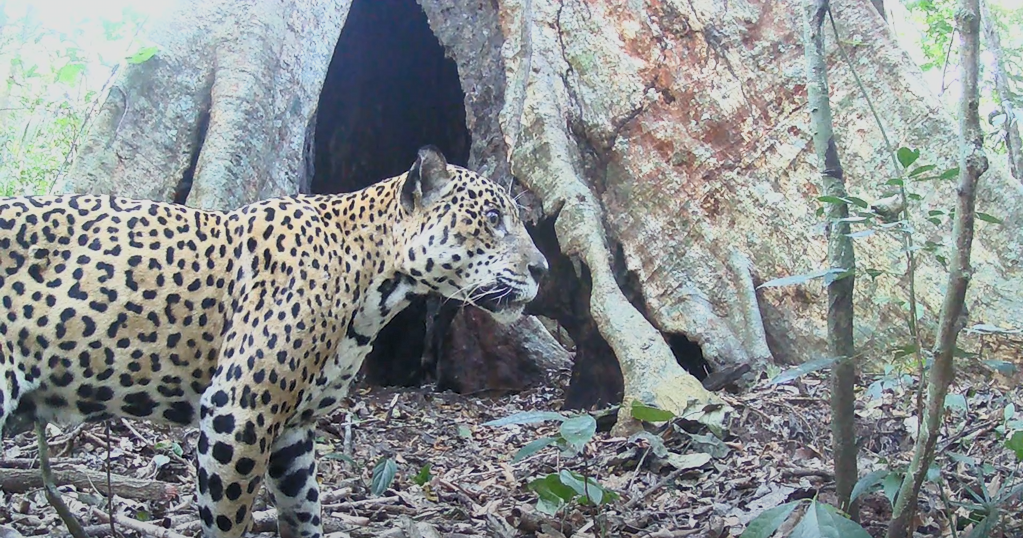
See the forest between visits
Explore images from field cameras and learn how observation contributes to a longer record of wildlife presence.
Visit the trail camera gallerySeasons and weather
When to visit Tambopata
May through October
SERNANP recommends this period for visiting. Conditions are often less rainy, though the Amazon remains humid and showers can occur at any time. Popular dates can also book earlier.
December through March
The rainier period can bring higher water, muddier trails, transport changes, and vivid forest growth. It can still be rewarding, but itineraries need more flexibility.
Temperatures can vary roughly from 10°C to 38°C, with an annual average near 26°C according to SERNANP. Cold fronts, locally called friajes, can briefly lower temperatures. Check the current forecast and operator guidance before packing.
Travel planning
How to get to Tambopata
Puerto Maldonado is the usual gateway. The rest of the journey depends on the exact reserve sector and accommodation, so confirm every transfer with your authorized operator rather than relying on a single general travel time.
- 01
Reach Puerto Maldonado
Travelers commonly arrive by air or overland. Build extra time around connections, especially during periods of heavy rain.
- 02
Meet the authorized operator
Confirm permits, current entrance fees, luggage limits, pickup details, emergency procedures, and the complete route in advance.
- 03
Continue by road and river
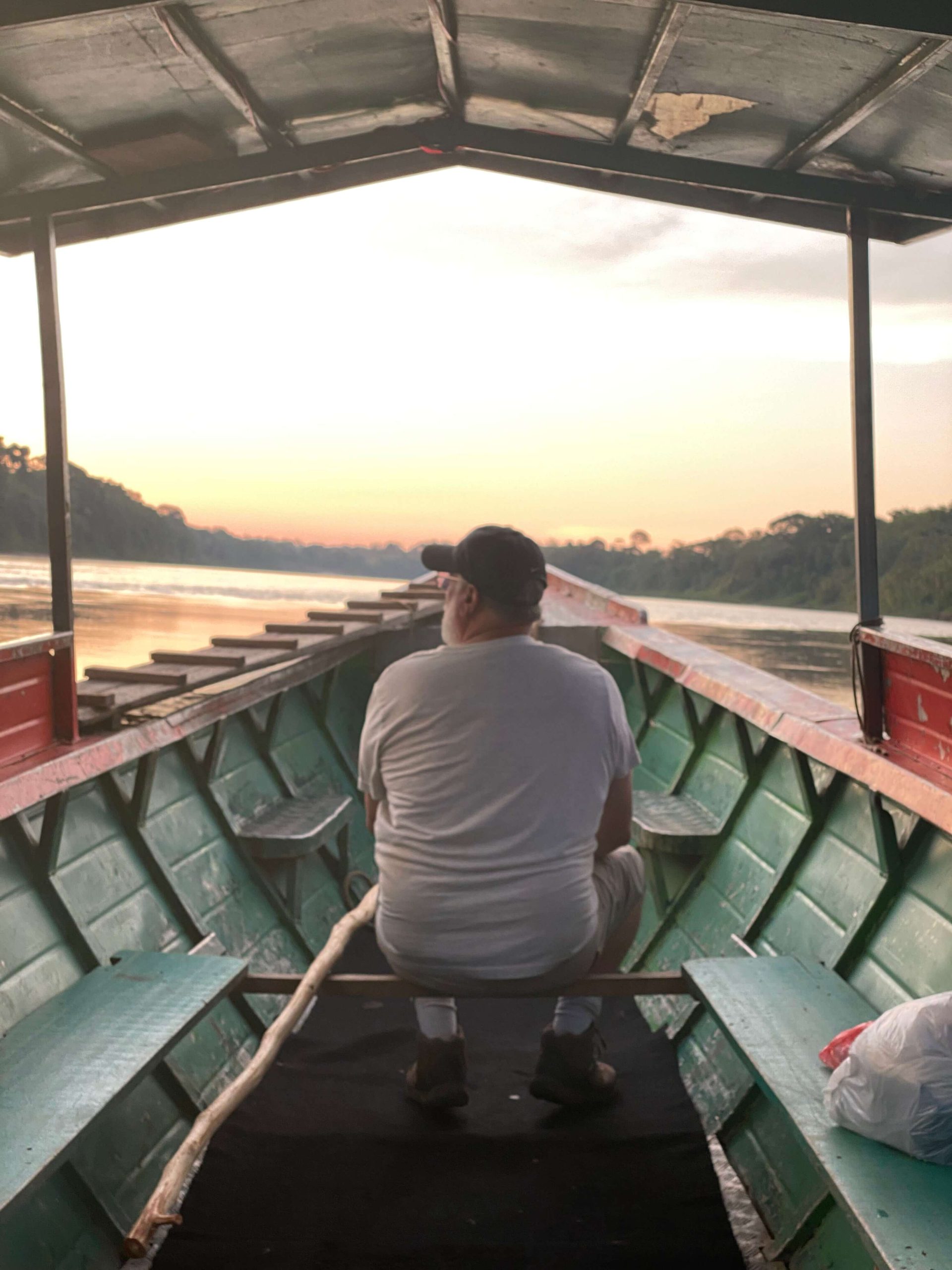
Many lodges require a road transfer, a motorized riverboat journey, or both. Remote locations can take substantially longer to reach.
Low-impact choices
Visit the rainforest responsibly
A careful visit respects wildlife, local communities, guides, and the protected area's rules. The simplest choices can materially reduce disturbance.
- Enter the reserve with an authorized tourism operator and follow your guide's instructions.
- Watch wildlife quietly from a distance; never chase, touch, bait, or feed animals.
- Stay on approved trails and observation areas, including at clay licks and lakes.
- Carry out waste and minimize single-use plastic, bright lights, and unnecessary noise.
- Ask permission before photographing people, homes, ceremonies, or community spaces.
- Choose operators that explain local employment, conservation practices, and visitor limits clearly.
Common questions
Tambopata FAQ
Where is Tambopata?
Tambopata is in the Madre de Dios region of southeastern Peru, within the country's Amazon basin. The name can refer to the province, river, district, or Tambopata National Reserve, so travelers should confirm the exact destination on an itinerary.
What is Tambopata known for?
Tambopata is known for lowland Amazon rainforest, exceptional bird and mammal diversity, river travel, oxbow lakes, and clay licks visited by parrots and macaws. Wildlife is wild, so sightings always vary.
When is the best time to visit Tambopata?
SERNANP recommends May through October for visiting the reserve. December through March is generally rainier. Every season has tradeoffs, and river levels, trail conditions, and wildlife activity can change.
How do visitors reach Tambopata?
Most visits begin in Puerto Maldonado. From there, access depends on the lodge or reserve sector and commonly continues by road, riverboat, or both. Travel times vary widely, so arrange the complete transfer before arrival.
Do I need a guide or tour operator?
For entry into Tambopata National Reserve, SERNANP instructs visitors to use authorized tourism operators. Check current access rules, approved routes, fees, and safety guidance on the official SERNANP visitor page before traveling.
Sources and editorial note
This guide uses official information from SERNANP, Peru's protected-area authority. We separate general planning advice from official rules, avoid guaranteeing wildlife sightings, and link to the current visitor page for details that may change. Last reviewed July 18, 2026.
Go deeper
Explore a conservation-focused visit
Learn about available programs, field experiences, accommodations, and the questions to ask before planning a rainforest journey.